0
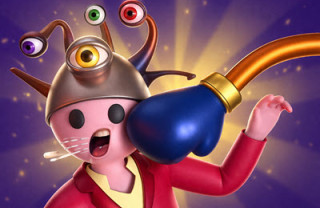
MECCHA CHAMELEON doesn't ask you to hide behind a tree or squeeze into a dark corner. It asks a much stranger question: What if you could become the tree instead? That's exactly where the fun begins. Armed with a paintbrush and a little imagination, you'll try to disappear into the map while the opposing team searches every inch of it.
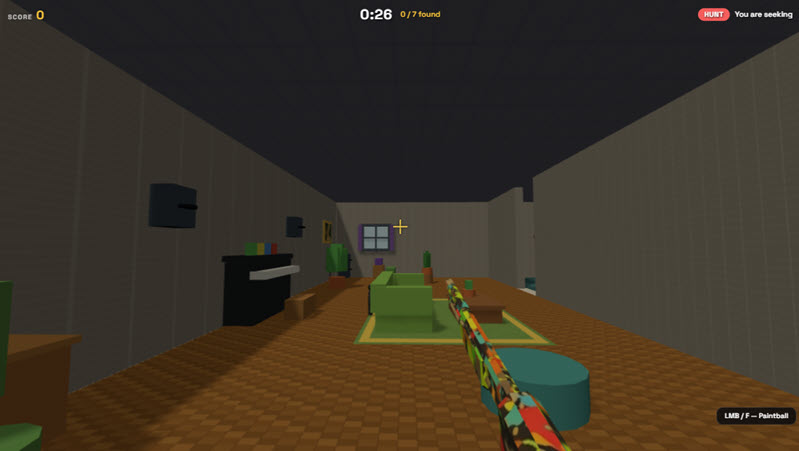
The first few rounds usually go the same way. You feel confident, pick a random wall, and get caught almost immediately. A few matches later, you'll start noticing tiny details - the color of a fence, the pattern on a bench, the way certain objects are placed. Before long, you'll be fooling players who walk right past you without a second glance.
Every match is a battle between Hiders and Seekers.
Hiders have a short preparation phase to paint themselves before the hunt begins. Matching nearby colors is important, but it's only part of the plan. A believable hiding place often matters even more than a perfect paint job. Standing where a player would never expect to see another object can be surprisingly effective.
Seekers play a completely different game. Instead of rushing through the map, they need to slow down and pay attention. Anything that looks slightly unusual deserves a closer look. Sometimes the smallest mistake - a color that's a little too bright or a player who moves at the wrong moment - is enough to reveal an excellent disguise.
Every location has its own personality. Some maps are packed with colorful decorations, while others leave you with only a handful of places to blend in. As you become familiar with each environment, you'll naturally start experimenting with new hiding ideas.
That's what keeps the game interesting. The maps stay the same, but the players never do.
The best moments in MECCHA CHAMELEON are usually the ones nobody plans. Maybe you survive an entire match disguised as part of a fence. Maybe your friend spends thirty seconds inspecting a chair while you're quietly standing beside it. Win or lose, every round ends with someone laughing and someone saying, "Okay... one more game." And somehow, that one more game turns into five.